
Gum Disease Treatment – Carlisle, PA
Stop Gum Disease in Its Tracks!
Gum disease is a serious – and common – oral health problem. That’s why it’s so important to keep an eye out for warning signs of trouble, including bleeding when you floss. If that happens, then you should call our Carlisle dental office right away. That way, we can schedule an exam and provide the necessary restorative care. In the meantime, you can read on to learn more about gum disease, including how common it is.
Why Choose Carlisle Family & Cosmetic Dentistry for Gum Disease Treatment?
- Detailed Exams and Evaluations
- Comprehensive Scaling and Root Planing
- Professional and Accommodating Dentist
What is Gum Disease?
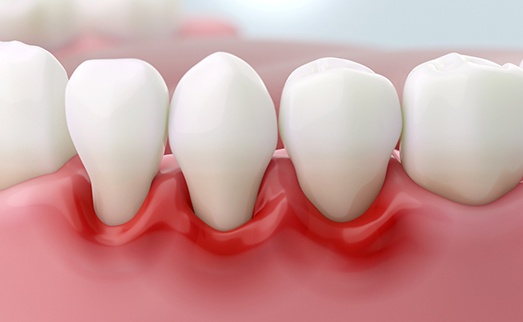
Gum disease is an oral health condition that affects roughly 80% of American adults at some point in their lives. In the early stages, the symptoms are relatively mild, like inflamed and sensitive gums. However, if the infection is left alone to progress, it can contribute to complications like tooth loss, heart disease, diabetes, and stroke. That’s why it’s imperative that we detect (and treat!) gum disease in the early stages.
Symptoms of Gum Disease
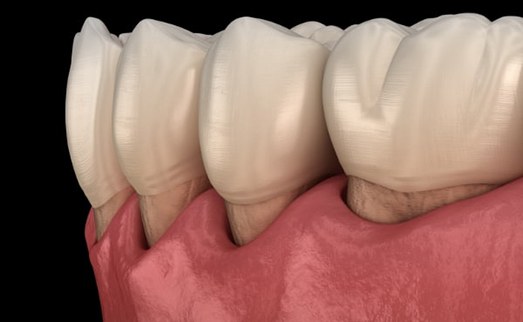
Here are a few common symptoms of gum disease:
- Red, inflamed, or sensitive gums
- Persistent dental sensitivity
- A chronic bad taste in your mouth
- Bleeding when you brush or floss
- Teeth that appear longer than usual
If one or more of the above arise, then you should contact us right away to schedule an exam. From there, we can determine if gum disease is the culprit and, if it is, the best way to treat it.
How Do We Treat Gum Disease?

In the very early stages, the answer is often to commit to a solid oral hygiene regimen. However, if it’s more advanced, then we will need to provide gum disease treatment in Carlisle. During your initial appointment, we can provide you with an overview of the process so you know what to expect. In the meantime, you can read on to learn more about scaling and root planing.
Scaling & Root Planing
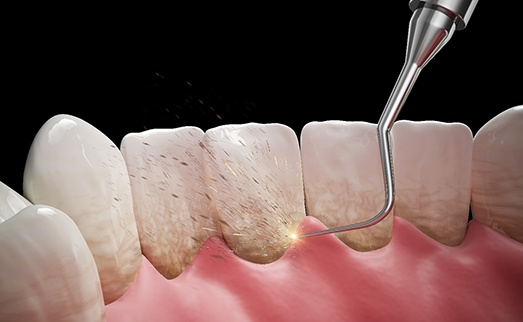
Gum disease is an insidious menace that may seem negligible at first, but it will develop into a serious illness if allowed to progress. While it can usually be reversed with improved oral hygiene and eating habits if it is caught in its early stage called gingivitis, more advanced cases called periodontitis will require professional treatments at our office in Carlisle. Here’s a quick look at the scaling and root planing process and why it can be necessary from the friendly team at Carlisle Family & Cosmetic Dentistry, but please feel free to contact our office if you’d like to know more.
Do I Need Scaling & Root Planing?

Gingivitis, the first stage of gum disease, is inflammation that can usually be reversed by improving your oral hygiene regimen. However, periodontitis, the later stage of gum disease, will not get better without professional help and can show itself through symptoms like:
- Bleeding when brushing or flossing
- Gum recession
- Persistent bad breath that doesn’t go away after one or two thorough oral hygiene sessions
- Large accumulations of plaque
- Swelling or puffiness of the gum tissue
The Process of Scaling & Root Planing
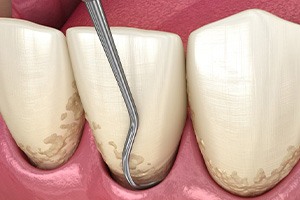
If caught early enough, we can reverse the effects of gum disease with non-surgical periodontal therapy. This typically involves scaling and root planing, a treatment process that typically takes two appointments:
- During the first, our dentist will use specialized instruments to carefully remove plaque and tartar from the surfaces of the teeth and the pockets of the gums.
- During the second, our dentist will gently smooth out the roots of your teeth, which will help them integrate with your soft tissues and help protect against future infections.
Aftercare Tips for Scaling & Root Planing
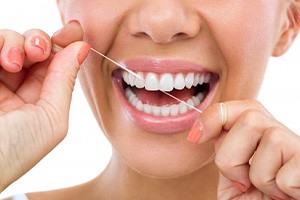
Your gums will probably need several weeks to heal after scaling and root planing. To stay comfortable while recovering, keep the following tips in mind:
- Rinse your mouth regularly with warm saltwater to reduce irritation and loosen food debris.
- Be gentle when brushing and flossing.
- Use a soft-bristled toothbrush.
- Avoid foods and beverages that are hot, spicy, acidic, sweet, and/or alcoholic.
- Stick to a soft diet for at least the first 48 hours after treatment.
- Abstain from tobacco for at least a day after treatment.
- Take a break from intense exercise for several days after the procedure so you can get the rest you need to heal thoroughly.
With proper general dental care, including routine dental cleanings and exams, you can avoid gum disease going forward. Dr. Neslund, Dr. Benner, and our staff can educate you on the best practices for oral hygiene to help you keep your gums healthy and disease-free. Once you’ve had gum disease treatment at our dental office, maintaining a thorough home oral healthcare routine is of utmost importance, and we’ll want to check in with you regularly to prevent future problems and infections.