
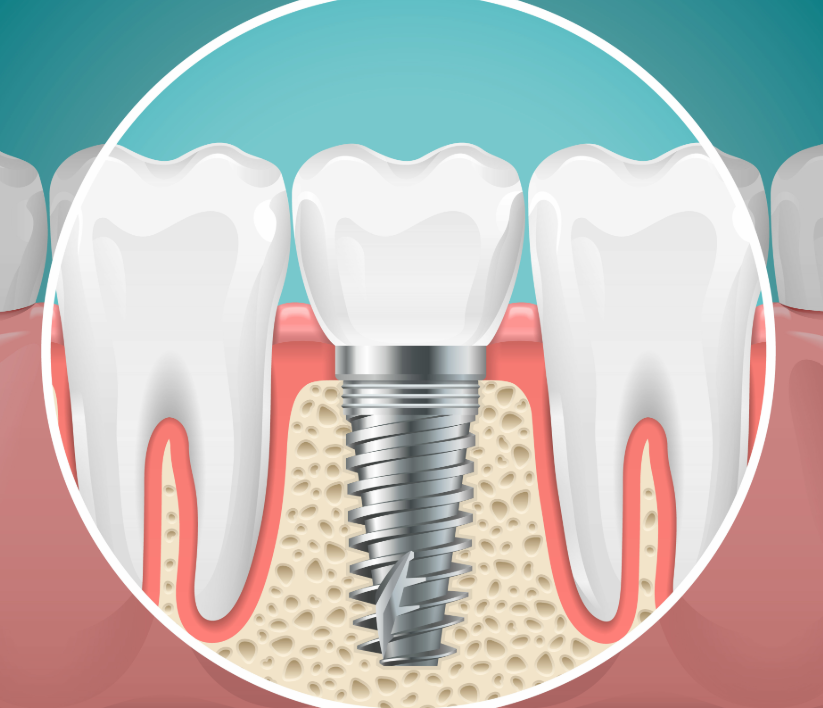
Dental implants are one of the most reliable and natural-looking ways to replace missing teeth. They work by anchoring a titanium post into the jawbone, which then supports a crown that looks and functions like a real tooth. But before moving forward, your dentist needs to make sure your mouth and overall health can support the procedure.
The good news? Even if you’re not an immediate candidate, many of the conditions that affect eligibility can often be treated or managed over time.
Insufficient Jawbone Density
One of the most common barriers to dental implants is not having enough healthy jawbone to support the implant post. When a tooth is missing for a long time, the jawbone in that area can begin to shrink due to lack of stimulation. Without enough bone volume or density, the implant may not properly integrate.
However, this doesn’t automatically rule out treatment. Procedures like bone grafting or sinus lifts can help rebuild the bone structure so implants can be placed successfully. With proper preparation, many patients who were once told they weren’t candidates are later able to move forward.
Gum Disease and Oral Health Concerns
Healthy gums are essential for implant success. Active periodontal (gum) disease can weaken the tissues and bone that support your teeth, increasing the risk of implant failure. For this reason, dentists typically want to treat and stabilize gum disease before placing implants.
Once gum health is restored through deep cleanings, improved home care, or periodontal treatment, many patients can safely proceed with implants. Maintaining good oral hygiene afterward is also key to long-term success.
Certain Medical Conditions and Lifestyle Factors
Some medical conditions can impact healing and integration of dental implants. For example, uncontrolled diabetes can slow recovery and increase infection risk. Similarly, conditions that affect bone healing or immune response may require additional evaluation before treatment.
Lifestyle habits like smoking can also interfere with healing by reducing blood flow to the gums and jawbone. Dentists often recommend quitting or reducing tobacco use before and after implant placement to improve outcomes.
Even in cases like these, candidacy isn’t always off the table—many patients become eligible once their health conditions are well managed.
Medications and Other Health Considerations
Certain medications, particularly those that affect bone metabolism, may influence how well the jawbone integrates with an implant. Your dentist will carefully review your medical history to determine whether any adjustments or additional precautions are needed.
In many cases, collaboration with your physician helps ensure implants can still be placed safely with the right planning and timing.
Age, Teeth Grinding, and Bite Issues
While age alone is not usually a limiting factor, overall oral health and bone development matter more than a number. However, habits like chronic teeth grinding (bruxism) or significant bite misalignment can put extra pressure on implants.
These issues can often be managed with treatments such as night guards or orthodontic care before implant placement, helping protect both the implant and surrounding teeth.
Moving Toward Implant Eligibility
It’s important to remember that being told you’re not an immediate candidate doesn’t mean implants are off the table forever. In fact, many common barriers can be successfully treated with modern dental techniques. With the right preparation and care, a large number of patients are eventually able to move forward with implants and enjoy a fully restored smile.
The key is a thorough evaluation and a personalized treatment plan designed to address any underlying concerns.
About the Practice
Dr. Neslund and Dr. Benner of Carlisle Family & Cosmetic Dentistry provide comprehensive restorative and implant dentistry focused on helping patients regain comfort, function, and confidence in their smiles. We take a personalized approach to treatment planning, carefully evaluating bone health, gum condition, and overall oral wellness before recommending implants. With experience in advanced restorative procedures and patient-centered care, our team works closely with individuals to overcome common barriers and help them achieve long-term success with dental implants.
Call us at (717) 258-5455 or schedule your appointment online.